Please Provide Feedback on you Experience with Bright Star Community Care.
National Disability Insurance Scheme (Quality and Safeguards Commission) Rules Summary
DOCX 126KB PDF 503KB Listen to PDF
Easy read: Guide to the NDIS Code of Conduct
DOCX 6MB PDF 3MB Listen to PDF
NDIS Code of Conduct
The NDIS Code of Conduct helps providers and workers respect and uphold your right to safe and quality supports and services. There is also an easy read guide to the NDIS Code of Conduct (also available as a printable download).
Under the NDIS Code of Conduct, providers and workers must:
- act with respect for individual rights to freedom of expression, self-determination, and decision-making in accordance with relevant laws and conventions
- respect the privacy of people with disability
- provide supports and services in a safe and competent manner with care and skill
- act with integrity, honesty, and transparency
- promptly take steps to raise and act on concerns about matters that might have an impact on the quality and safety of supports provided to people with disability
- take all reasonable steps to prevent and respond to all forms of violence, exploitation, neglect, and abuse
- take all reasonable steps to prevent sexual misconduct.
The NDIS Code of Conduct applies to:
- registered NDIS providers
- unregistered NDIS providers
- NDIA community partners – LAC and ECEI providers
- providers delivering information, linkages, and capacity building activities
- providers delivering Commonwealth Continuity of Support Programme services for people over the age of 65.
Quick Reference Guide: Self-managed participant – Request access to the NDIS Worker Screening Database (NWSD)
DOCX 858KB PDF 993KB Listen to PDF
People with disability have the right to complain about the services they receive.
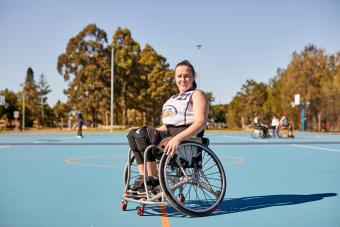
Most NDIS providers do their best to provide quality supports and services to people with disability, but issues can occur.
It’s OK to complain – speaking up can help to improve services for you and other people. You have the right to raise a concern about NDIS supports if you are not happy.
We will work with you, and with providers and workers, to resolve problems and improve the quality and safety of NDIS supports – for you and other participants.
Call us: 1800 035 544 (free call from landlines) or TTY 133 677.
Translating and Interpreting Service: 131 450
National Relay Service and ask for 1800 035 544.
Complaints Process
- Unhappy with a provider?
- Talk to your provider if you feel safe doing so
- Make a complaint with us
- We may talk to the provider to find a solution or investigate further
- We take action
- We let you know the outcome
Incident management and reportable incidents (NDIS Participants)
Under the NDIS Commission, all registered NDIS providers must have an incidents management system in place to record and manage incidents.
Incidents that must be recorded and managed include incidents where harm, or potential harm, is caused to or by a person with disability while they are receiving supports or services.
The incident management system must include procedures for identifying, assessing, recording, managing, resolving and reporting incidents.
Certain incidents must be notified to the NDIS Commission as reportable incidents, including the death, serious injury, abuse or neglect of a person with disability and the unauthorised use of restrictive practices. These incidents must be reported to the NDIS Commission.
The following incidents (including allegations) arising in the context of NDIS supports or services must be reported to the NDIS Commission:
- the death of an NDIS participant
- serious injury of an NDIS participant
- abuse or neglect of an NDIS participant
- unlawful sexual or physical contact with, or assault of, an NDIS participant
- sexual misconduct committed against, or in the presence of, an NDIS participant, including grooming of the NDIS participant for sexual activity
- the unauthorised use of a restrictive practice in relation to an NDIS participant
The NDIS Commission’s role is to provide guidance to build the capacity of NDIS providers to prevent and respond to incidents. If a reportable incident raises a serious compliance issue, the NDIS Commission has powers to take action. Actions might include requiring the provider to undertake specified remedial action, carry out an internal investigation about the incident, or engage an independent expert to investigate and report on the incident.
These new arrangements do not replace existing obligations to report suspected crimes to the police and other relevant authorities.
You may seek support from family, friend or an independent advocate to support you following a reportable incident. For further information see: Disability Advocacy.
Make it known, make it better’ video resources
Establishing the NDIS Code of Conduct
Acting with respect for individual rights
- Video: Make it known, make it better – NDIS Code of Conduct: Acting with respect for individual rights
- Video: Make it known, make it better – NDIS Code of Conduct: Acting with respect for individual rights (Auslan)
Acting with respect for individual rights – LGBQTI+ communities
- Video: Make it known, make it better – NDIS Code of Conduct: Acting with respect for individual rights – LGBTQIA+ communities 1
- Video: Make it known, make it better – NDIS Code of Conduct: Acting with respect for individual rights – LGBTQIA+ communities 1 (Auslan)
- Video: Make it known, make it better – NDIS Code of Conduct: Acting with respect for individual rights – LGBTQIA+ communities 2
- Video: Make it known, make it better – NDIS Code of Conduct: Acting with respect for individual rights – LGBTQIA+ communities 2 (Auslan)
Respecting privacy
- Video: Make it known, make it better – NDIS Code of Conduct: Respecting privacy
- Video: Make it known, make it better – NDIS Code of Conduct: Respecting privacy (Auslan)
Providing supports and services in a safe and competent manner
- Video: Make it known, make it better – NDIS Code of Conduct: Providing supports and services in a safe and competent manner
- Video: Make it known, make it better – NDIS Code of Conduct: Providing supports and services in a safe and competent manner (Auslan)
Acting with integrity, honesty and transparency
- Video: Make it known, make it better – NDIS Code of Conduct: Acting with integrity, honesty and transparency
- Video: Make it known, make it better – NDIS Code of Conduct: Acting with integrity, honesty and transparency (Auslan)
Taking steps to raise and act on concerns around quality and safety supports
- Video: Make it known, make it better – NDIS Code of Conduct: Taking steps to raise and act on concerns around quality and safety supports
- Video: Make it known, make it better – NDIS Code of Conduct: Taking steps to raise and act on concerns around quality and safety supports (Auslan)
Taking steps to prevent and respond to all forms of violence, exploitation, neglect and abuse
- Video: Make it known, make it better – NDIS Code of Conduct: Taking steps to prevent and respond to all forms of violence, exploitation, neglect and abuse
- Video: Make it known, make it better – NDIS Code of Conduct: Taking steps to prevent and respond to all forms of violence, exploitation, neglect and abuse (Auslan)
Preventing and responding to sexual misconduct
- Video: Make it known, make it better – NDIS Code of Conduct: Preventing and responding to sexual misconduct
- Video: Make it known, make it better – NDIS Code of Conduct: Preventing and responding to sexual misconduct (Auslan)
Making a Complaint
- Video: Make it known, make it better – NDIS Quality and Safeguards Commission: Making a complaint 1
- Video: Make it known, make it better – NDIS Quality and Safeguards Commission: Making a complaint 1 (Auslan)
- Video: Make it known, make it better – NDIS Quality and Safeguards Commission: Making a complaint 2
- Video: Make it known, make it better – NDIS Quality and Safeguards Commission: Making a complaint 2 (Auslan)
Making a Complaint – First Nations peoples
- Video: Make it known, make it better – NDIS Quality and Safeguards Commission: Making a complaint – First Nations peoples 1
- Video: Make it known, make it better – NDIS Quality and Safeguards Commission: Making a complaint – First Nations peoples 1 (Auslan)
- Video: Make it known, make it better – NDIS Quality and Safeguards Commission: Making a complaint – First Nations peoples 2
- Video: Make it known, make it better – NDIS Quality and Safeguards Commission: Making a complaint – First Nations peoples 2 (Auslan)
- Video: Make it known, make it better – NDIS Quality and Safeguards Commission: Making a complaint – First Nations peoples 3
- Video: Make it known, make it better – NDIS Quality and Safeguards Commission: Making a complaint – First Nations peoples 3 (Auslan)
Incident management and reportable incidents (NDIS Participants)
Under the NDIS Commission, all registered NDIS providers must have an incidents management system in place to record and manage incidents.
Incidents that must be recorded and managed include incidents where harm, or potential harm, is caused to or by a person with disability while they are receiving supports or services.
The incident management system must include procedures for identifying, assessing, recording, managing, resolving and reporting incidents.
Certain incidents must be notified to the NDIS Commission as reportable incidents, including the death, serious injury, abuse or neglect of a person with disability and the unauthorised use of restrictive practices. These incidents must be reported to the NDIS Commission.
The following incidents (including allegations) arising in the context of NDIS supports or services must be reported to the NDIS Commission:
- the death of an NDIS participant
- serious injury of an NDIS participant
- abuse or neglect of an NDIS participant
- unlawful sexual or physical contact with, or assault of, an NDIS participant
- sexual misconduct committed against, or in the presence of, an NDIS participant, including grooming of the NDIS participant for sexual activity
- the unauthorised use of a restrictive practice in relation to an NDIS participant
The NDIS Commission’s role is to provide guidance to build the capacity of NDIS providers to prevent and respond to incidents. If a reportable incident raises a serious compliance issue, the NDIS Commission has powers to take action. Actions might include requiring the provider to undertake specified remedial action, carry out an internal investigation about the incident, or engage an independent expert to investigate and report on the incident.
These new arrangements do not replace existing obligations to report suspected crimes to the police and other relevant authorities.
You may seek support from family, friend or an independent advocate to support you following a reportable incident. For further information see: Disability Advocacy.
Participant Information Pack
NDIS Participants have the right to feel safe and receive quality service from NDIS providers.
The information provided in this pack gives participants information about their rights, the role of the NDIS Commission, choosing quality and safe supports, and how to make a complaint.
The Participant Information Pack is available in standard format, Easy Read and Auslan via the links below, with Braille versions available through the online order form. We have also created versions for Aboriginal and Torres Strait Islander people.
The Participant Information Packs also contain the Code of Conduct postcard and the ‘Speak up’ bookmark.
The Participant Information Pack fact sheets are available individually online. View the standard individual fact sheets.
You may also be interested in the Code of Conduct poster and the Speak Up resources.
Related resources
Participant Information Pack – Full version
DOCX 397KB PDF 7MB Listen to PDF
Participant Information Pack – Easy Read
Code of Conduct postcards
PDF 4MB Listen to PDF PDF 1MB Listen to PDF
‘Speak up’ bookmark
PDF 867KB Listen to PDF PDF 222KB Listen to PDF
Poster: NDIS Code of Conduct
DOCX 95KB PDF 1MB Listen to PDF
Participant Information Pack – Aboriginal and Torres Strait Islander
DOCX 40KB PDF 8MB Listen to PDF
Participant Information Pack – Aboriginal and Torres Strait Islander
DOCX 36KB PDF 5MB Listen to PDF
Access AUSLAN documents
What is the NDIS Quality and Safeguards Commission and what is its role?
DOCX 31KB PDF 2MB Listen to PDF
Choosing Quality and Safe Supports
DOCX 29KB PDF 2MB Listen to PDF
NDIS Plan Management
DOCX 30KB PDF 259KB Listen to PDF


 Bright Star Community Care